VinilosVinyl
Fundas interiores antiestáticas: qué son y por qué importanAntistatic inner sleeves: what they are and why they matter
Qué protegen, cuándo reemplazarlas y cómo usarlas sin complicar la colección.What they protect, when to replace them and how to use them without complicating the collection.
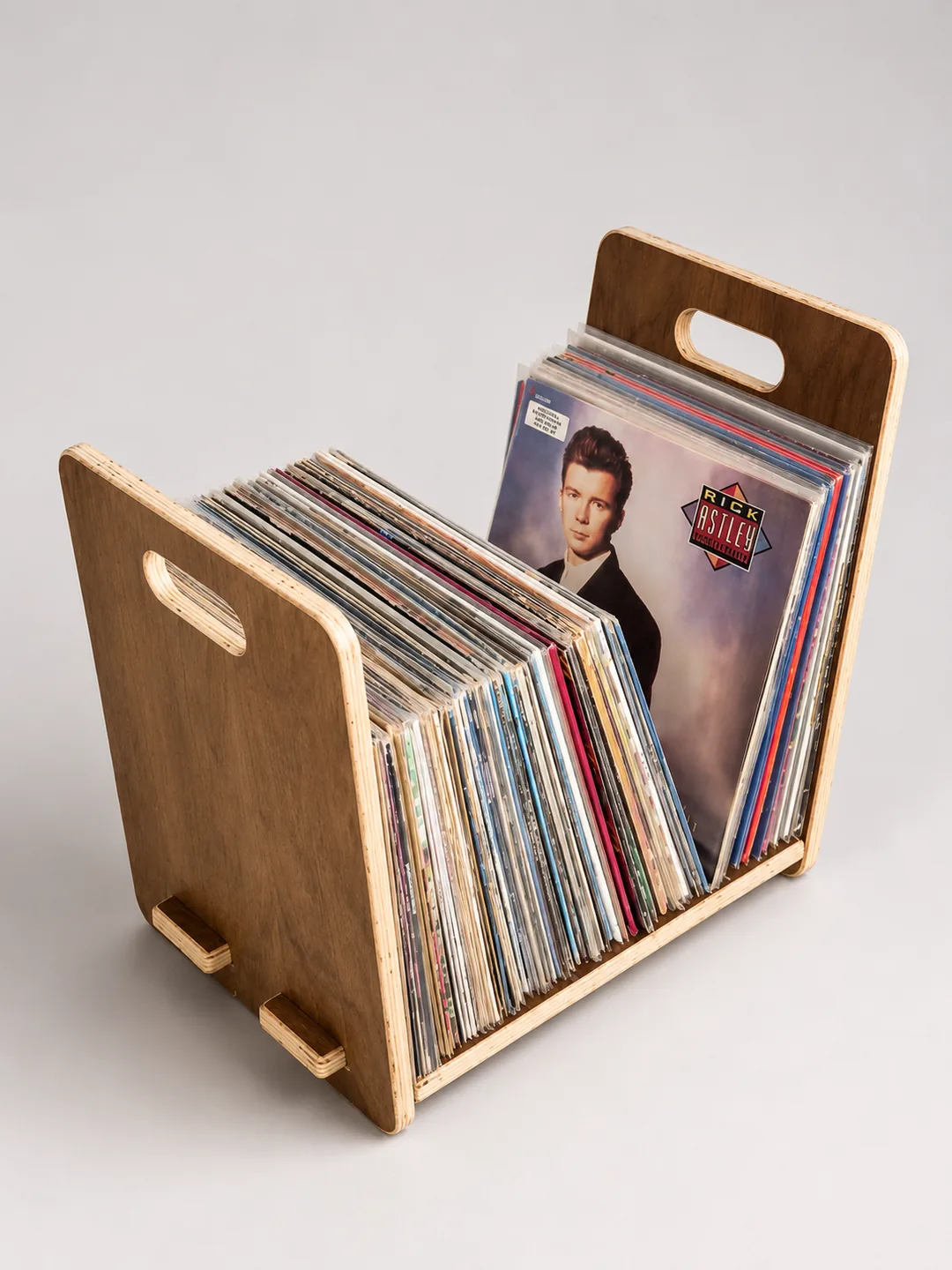
Una funda interior cumple una tarea modesta pero importante: separar la superficie grabada de materiales ásperos, polvo y manipulación innecesaria. Las versiones llamadas antiestáticas ayudan a reducir la carga y la fricción, pero no vuelven inmune al disco ni sustituyen una limpieza correcta.
Qué es la electricidad estática
Cuando dos materiales aislantes entran en contacto y se separan —por ejemplo, un disco al deslizarse dentro de una funda— pueden intercambiar carga eléctrica. En un ambiente seco, esa carga se disipa con más dificultad. El resultado práctico es conocido: el disco atrae partículas ligeras y puede producir pequeños chasquidos al manipularlo.
Una funda de baja fricción fabricada con un material estable reduce la generación de carga durante la extracción y evita que el surco roce directamente contra papel desnudo. “Antiestática” describe esa ayuda; no significa que elimine toda carga en cualquier clima.
Papel, polietileno y materiales compuestos
El papel ofrece rigidez y permite imprimir información, pero sus fibras pueden desprender polvo y, si la funda está ajustada, rozar la superficie. Las fundas de polietileno de alta densidad o construcciones compuestas de papel con una capa interior lisa ofrecen una superficie más suave. Instituciones como la Library of Congress recomiendan polietileno de alta densidad para discos ranurados.
No todas las fundas transparentes son equivalentes. Evita materiales sin identificar y PVC flexible en contacto prolongado: algunos plásticos pueden liberar plastificantes al degradarse. Busca una especificación clara del material y un proveedor que pueda describirla.
Una opción que coincide con estos criterios
Como ejemplo concreto, las fundas interiores de Boundless Audio combinan HDPE con un inserto de papel de arroz. La construcción de tres capas aporta una superficie lisa y suficiente rigidez para introducir el disco sin forzar el borde.

La sugerencia responde al material y al uso descritos, no reemplaza una limpieza ni garantiza compatibilidad con todas las portadas. Verifica medidas, disponibilidad y envío para tu región.
Cuándo sustituir la funda original
Cambia la funda si está rota, muy ajustada, húmeda, manchada, quebradiza o suelta polvo. Después de una limpieza húmeda, colocar el disco en una funda nueva evita devolverle residuos antiguos. Si la funda original contiene arte o información, consérvala junto al disco; el LP limpio puede ir en una funda nueva dentro de la misma portada, siempre que haya espacio.
Cómo insertar el disco
- Lávate y seca bien las manos.
- Toma el disco por el borde y la etiqueta.
- Abre la funda sin forzarla y desliza el disco sin raspar el borde.
- Coloca la funda dentro de la portada con su abertura hacia arriba o hacia un lateral cerrado de la portada.
Orientar la abertura lejos de la abertura exterior reduce la entrada directa de polvo y evita que el disco se deslice al sacar la portada. Es una práctica de uso, no una regla de conservación universal; lo importante es que la funda no se pliegue ni quede bajo presión.
Funda interior y funda exterior
La funda interior protege el disco. La exterior protege la portada del roce y el polvo. No conviene sellar un objeto húmedo o con moho entre capas plásticas: separa cualquier disco afectado y atiende primero la causa. Tampoco llenes el mueble hasta comprimir las portadas; la mejor funda pierde utilidad si todo el conjunto trabaja bajo presión.
Una funda no retira grasa, residuos ni partículas ya presentes. Su papel comienza después de la limpieza y continúa con un almacenamiento vertical y estable.
An inner sleeve has a modest but important job: keep the playing surface away from rough materials, dust and unnecessary handling. So-called antistatic versions help reduce charge and friction, but they do not make a record immune to dust or replace proper cleaning.
What static electricity is
When two insulating materials touch and separate — a record sliding out of a sleeve, for example — they can exchange electrical charge. In dry air that charge dissipates less readily. The practical result is familiar: the record attracts light particles and may crackle when handled.
A low-friction sleeve made from a stable material can reduce charging during removal and stops the groove from rubbing against bare paper. “Antistatic” describes that assistance; it does not promise zero charge in every climate.
Paper, polyethylene and composite sleeves
Paper provides structure and space for printing, but its fibres may shed and a tight sleeve can rub against the playing surface. High-density polyethylene sleeves, or paper constructions lined with a smooth film, provide a gentler contact surface. The Library of Congress recommends high-density polyethylene for grooved discs.
Not every transparent sleeve is equivalent. Avoid unidentified plastics and flexible PVC for prolonged contact; some plastics can transfer plasticiser as they age. Look for a clear material specification and a supplier that can explain it.
One option that matches these criteria
As a concrete example, Boundless Audio inner sleeves combine HDPE with a rice-paper insert. Their three-layer construction provides a smooth surface and enough structure to guide a record in without forcing its edge.
This suggestion is based on the stated materials and use. It does not replace cleaning or guarantee a fit with every jacket. Check dimensions, availability and shipping for your region.
When to replace the original sleeve
Replace a sleeve that is torn, excessively tight, damp, stained, brittle or shedding fibres. After wet cleaning, a new sleeve prevents old residue from returning. If the original carries artwork or notes, keep it with the release; the clean LP can sit in a new inner sleeve inside the same jacket when space allows.
How to insert the record
- Wash and dry your hands thoroughly.
- Hold the record by its edge and label.
- Open the sleeve without forcing it and slide the record in without scraping the edge.
- Place the inner sleeve in the jacket with its opening facing up or toward a closed side.
Turning the opening away from the jacket opening reduces direct dust entry and helps keep the record from sliding out. This is a practical habit rather than a universal preservation rule; the priority is to avoid folds and pressure.
Inner and outer sleeves
The inner sleeve protects the disc. The outer sleeve protects the jacket from rubbing and dust. Do not seal a damp or mouldy object between plastic layers: isolate the affected record and address the cause first. Do not pack shelves so tightly that jackets are compressed either.
A sleeve cannot remove oil, residue or particles already present. Its role begins after cleaning and continues with upright, stable storage.